The Free Bet Blackjack Math Nobody Wants You to Run
Free Bet Blackjack isn't charity — it's a volatility trap dressed in casino velvet. The house doesn't hand you free double downs and splits out of generosity; it quietly taxes every push to fund those "free" bets. Strip away the marketing gloss and you're staring at a game where the optimal playbook shifts violently from standard 21, and the rooms hosting these tables know exactly which players fail to adapt. 🎰
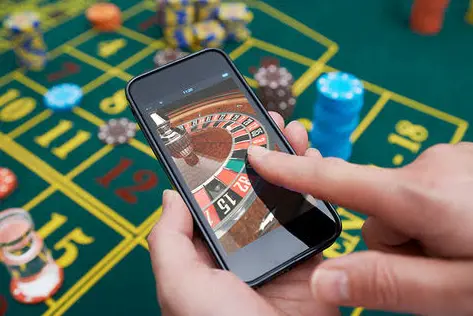
How the Free Bet Mechanic Actually Bleeds Value
The rule set sounds generous: double down on any two cards without risking additional chips, and split most pairs at zero cost. But here's the knife in the dark — every push becomes a loss for the player. That single clause drags the house edge from a razor-thin 0.4% up toward 1.0% or worse depending on table configuration. The free doubles and splits are not a gift; they are a decoy engineered to loosen your discipline on Free Bet Blackjack tables while the push-tax quietly compounds against you hand after hand.
Run the numbers on a six-deck shoe with standard rules and you'll see the free split on tens is often a mathematical blunder. Players see "free" and split like maniacs, torching EV they never had. The pros know: only split when the underlying hand equity justifies the variance, free or not. That distinction separates the sharps from the tourists.

The Room Configuration That Changes Everything
Not all Free Bet Blackjack Rooms are built equal. Payout on a natural blackjack, dealer hits on soft 17, number of decks, and whether the free split applies to eights and aces only — these variables swing the edge by whole percentage points. A room paying 6:5 on blackjack combined with the push-loss rule is a slaughterhouse. A 3:2 table with favorable split allowances is a different animal entirely, and knowing which configuration you're sitting at is the entire game. 🃏
The hardware matters too. Continuous shuffling machines erase penetration advantages and flatten card-counting opportunities, turning these tables into pure decision-tree exercises. If you're hunting an edge, you want hand-shuffled shoes, deep penetration, and a room that hasn't tightened its free split list to the point of absurdity.
Where the Real Opportunity Hides
The edge in these rooms rarely comes from the free bets themselves — it comes from opponents who overvalue them. Watch a table for twenty minutes and you'll spot the leaks: players splitting nines because it's free, doubling soft hands into dealer strength, chasing the "free" illusion straight into a wall of pushes. Your advantage is cold discipline and a memorized deviation chart tuned specifically for the push-loss penalty. The free bet is bait; the disciplined player is the one holding the net.