Why Do Licensed Casinos Outperform Electronic Gaming in the Philippines?
In the dynamic landscape of Southeast Asian gambling, the Philippines stands as a regulatory pioneer. The question of why licensed casinos consistently outperform electronic gaming terminals (EGTs) is not merely a matter of floor space. It is a masterclass in operational psychology, regulatory arbitrage, and the fundamental human desire for a holistic entertainment experience. 🎰
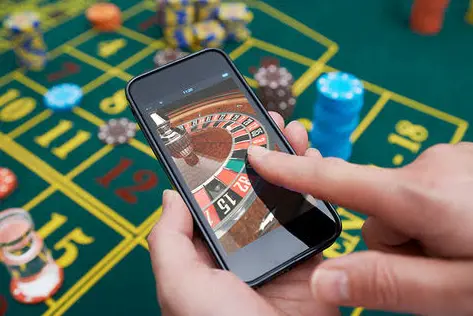
The Regulatory Fortress and Player Trust Deficit in Electronic Gaming
The Philippine Amusement and Gaming Corporation (PAGCOR) has established a bifurcated regulatory framework. While electronic gaming venues operate under a distinct license, the rigorous compliance mandates for land-based casinos—covering anti-money laundering (AML) protocols, responsible gambling infrastructure, and physical security—create a perception of legitimacy that EGTs struggle to replicate. High-net-worth players and international tourists instinctively gravitate toward environments where dispute resolution mechanisms are transparent and regulatory oversight is omnipresent. This institutional trust is a non-negotiable currency in the gaming sector.
Liquidity Pools, Odds Volatility, and the Mathematics of Player Retention
From a purely mathematical standpoint, licensed casinos aggregate a far superior liquidity pool. Electronic gaming terminals, often networked within a localized jurisdiction, suffer from limited jackpot contribution rates and constrained return-to-player (RTP) percentages. In contrast, integrated resort casinos in Entertainment City Manila or Clark can offer dynamic table limits, progressive jackpots that scale into the tens of millions, and a variance profile that caters to both the cautious strategist and the high-roller. The psychological impact of a live dealer—reading micro-expressions, the tactile feel of chips—cannot be digitized by a server rack in a mall arcade.

The Integrated Resort Ecosystem vs. the Electronic Gaming Silo
Electronic gaming venues in the Philippines often operate as siloed establishments—a room full of machines with minimal ancillary services. Licensed casinos, however, deploy a comprehensive ecosystem strategy. A single property can encompass Michelin-star dining, luxury retail, five-star hospitality, and world-class entertainment. This convergence of non-gaming amenities increases the average length of stay and the total wallet share per visitor. The casino becomes a destination, not a pit stop. When a player’s spouse can enjoy a spa while the player participates in a baccarat tournament, the friction of the gambling decision is dramatically reduced.
Taxation Structures and Reinvestment Capabilities
The fiscal treatment of licensed casinos versus electronic gaming operators creates a disparity in capital reinvestment. Casino licensees in the Philippines often negotiate favorable tax regimes tied to their investment commitments in tourism infrastructure. This allows for continuous upgrades in surveillance technology, customer relationship management (CRM) systems, and VIP host programs. Electronic gaming operators, facing thinner margins and higher effective tax rates on gross gaming revenue (GGR), lack the capital expenditure firepower to innovate. The result is a widening gap in service quality and data-driven player personalization.
Human Capital and the Premium on Live Interaction
The dealer-croupier dynamic introduces an element of theatricality and accountability that electronic gaming cannot emulate. Licensed casinos invest heavily in training human capital—from multilingual hosts to pit bosses who can manage table dynamics. This human element acts as a behavioral anchor, reducing the sensation of cold, algorithmic randomness. For the Filipino market, where social capital and personal relationships are paramount, the presence of a skilled dealer transforms a transactional wager into a social ritual. 🎲
Responsible Gambling Infrastructure as a Competitive Advantage
Paradoxically, the stringent responsible gambling measures in licensed casinos—self-exclusion databases, on-site counseling, and mandatory cooling-off periods—enhance their long-term viability. Electronic gaming terminals, often located in less regulated retail environments, face reputational risks and community backlash that erode their customer base. Licensed casinos, by embedding responsible gambling into their brand DNA, project an image of sustainability and ethical operation. This aligns with the preferences of institutional investors and premium clientele who prioritize longevity over short-term extraction.
Market Segmentation and the VIP Economy
The VIP and junket segment, a cornerstone of the Philippine gaming industry, is exclusively served by licensed casinos. These high-stakes players require credit lines, private gaming salons, and bespoke junket arrangements that electronic gaming venues are structurally incapable of providing. The revenue concentration in the premium mass and VIP tiers means that electronic gaming’s lower-tier player base, while voluminous, cannot compensate for the yield per visit generated by casino whales. The economic gravity of the high roller pulls the entire market toward the licensed casino model.
The Future Trajectory: Convergence or Divergence?
As electronic gaming attempts to bridge the gap through live-dealer streaming and gamified interfaces, licensed casinos are countering with omnichannel integration—syncing land-based loyalty programs with online platforms. The battle is not about technology adoption but about experience sovereignty. The Philippine market has demonstrated that the visceral, high-stakes, socially embedded nature of the licensed casino floor remains the apex predator in the gambling ecosystem. 🏆